
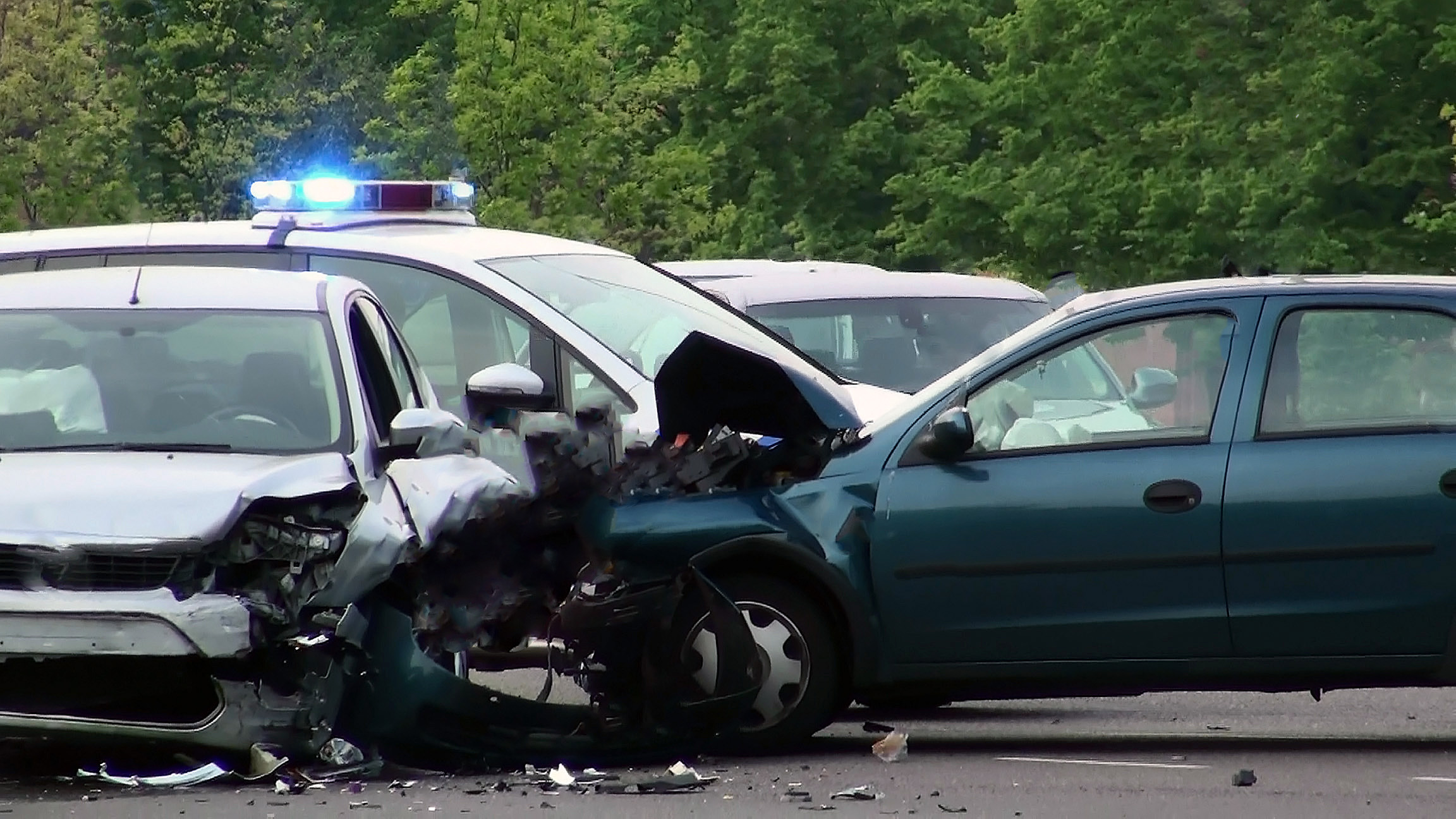
T-bone car accidents—also known as side-impact collisions—are among the most dangerous types of crashes on the road. These accidents occur when the front of one vehicle strikes the side of another, forming a “T” shape at the point of impact. Because the sides of vehicles offer less protection than the front or rear, victims often suffer severe injuries.
If you were hurt in a side-impact crash, you may be wondering who is at fault. The answer depends on several factors, including traffic laws, right-of-way rules, and the evidence available.
Understanding How T-Bone Accidents Happen
Most T-bone collisions occur at intersections.
Common causes include:
- Running a red light or stop sign
- Failing to yield the right of way
- Making an unsafe left turn
- Speeding through an intersection
- Distracted or impaired driving
In many cases, a single driver violates a traffic law, which is a strong indicator that they are at fault. However, determining liability is not always straightforward.
Right-of-Way Rules
Right-of-way rules are often central to determining fault in a T-bone accident. Generally, the driver who had the legal right to proceed through the intersection is not at fault.
For example:
- If Driver A runs a red light and strikes Driver B, Driver A is typically at fault.
- If Driver A fails to yield while making a left turn and is hit by oncoming traffic, Driver A is usually responsible.
- If a driver ignores a stop sign and enters an intersection, they are likely liable for the collision.
However, even if a driver had the right of way, they may still share some responsibility if they were speeding, distracted, or otherwise driving negligently.
When Fault Is Shared
Illinois follows a modified comparative negligence rule. This means you can still recover compensation as long as you are less than 51% at fault for the accident. However, your compensation will be reduced by your percentage of fault. For instance, if you are found 20% responsible, your total recovery would be reduced by 20%.
If you are found 51% or more at fault, you cannot recover damages. Because fault directly impacts your ability to obtain compensation, understanding Illinois’s negligence laws is essential when pursuing a personal injury claim.
Key Evidence Used to Determine Fault
Insurance companies and attorneys rely on evidence to determine who caused a T-bone accident.
Important evidence may include:
- Police reports
- Traffic camera or surveillance footage
- Eyewitness statements
- Vehicle damage analysis
- Skid marks and accident reconstruction reports
- Cell phone records (to determine that a driver was distracted)
The location of the damage can also tell a story. For instance, front-end damage to one vehicle and side damage to another may help investigators piece together what happened.
Common Injuries in T-Bone Accidents
Because the side of a vehicle has less structural protection, T-bone crashes often result in serious injuries, including:
- Traumatic brain injuries
- Neck and spinal cord injuries
- Broken ribs and internal injuries
- Pelvic fractures
- Shoulder and arm injuries
Medical bills, lost wages, and long-term rehabilitation costs can quickly add up. Determining fault is essential for recovering the compensation you need.
What to Do After a T-Bone Accident
If you are involved in a side-impact crash, taking the right steps can help protect your claim:
- Call 911 and seek medical attention.
- Obtain a police report.
- Take photos of the vehicles, intersection, and any visible injuries.
- Get contact information from witnesses.
- Avoid admitting fault at the scene.
- Speak with a personal injury attorney before giving a recorded statement to insurance companies.
Insurance adjusters may try to minimize payouts or shift blame. Having legal representation can make a significant difference in the outcome of your case.
Contact a Peoria Car Accident Lawyer at Joel E. Brown Personal Injury Law Firm, for a Free Consultation
Fault in a T-bone accident depends on who had the right of way and whether any traffic laws were violated. While the driver who strikes the side of another vehicle is often at fault, every crash requires a careful investigation to determine liability.
To learn more, contact our skilled personal injury attorney at Joel E. Brown Personal Injury Law Firm to schedule a free consultation. We are conveniently located in Peoria and proudly serve Peoria County, IL, and the neighboring communities.
Joel E. Brown Personal Injury Law Firm
416 Main Street Suite 1300, Peoria, IL 61602
(309) 673 4357
Available 24/7